- Trade School Secrets
- Posts
- The 3 Mistakes Killing Your Enrollment Numbers (And You Don't Even Know It)
The 3 Mistakes Killing Your Enrollment Numbers (And You Don't Even Know It)
In partnership with

Free email without sacrificing your privacy
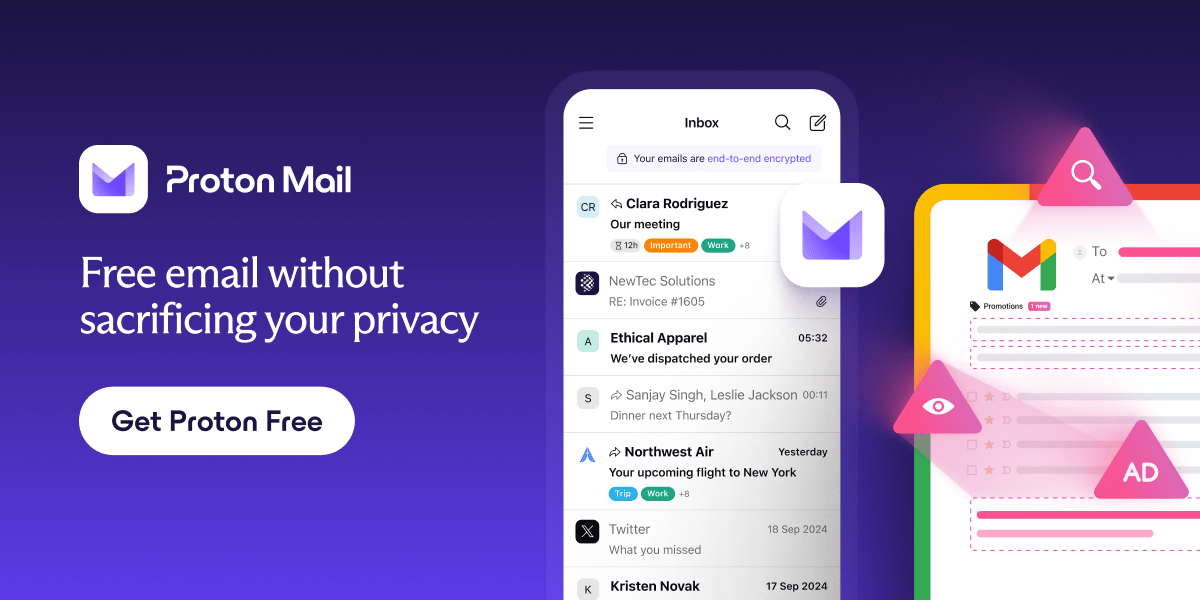
Gmail is free, but you pay with your data. Proton Mail is different.
We don’t scan your messages. We don’t sell your behavior. We don’t follow you across the internet.
Proton Mail gives you full-featured, private email without surveillance or creepy profiling. It’s email that respects your time, your attention, and your boundaries.
Email doesn’t have to cost your privacy.
Your ad spend isn't the problem.
I've sat inside admissions calls for schools spending $40K a month on leads with a 9% close rate, and schools spending $4K a month closing at 38%. Same funding streams. Same competitive market. The difference was never the top of the funnel.
It was three mistakes hiding in plain sight. Every trade school owner I consult with is making at least one of them right now.

Mistake #1: You're Selling the Program, Not Solving the Problem
Here's the question that exposes this instantly. Ask your admissions rep: "What's the student's real problem?"
If the answer is "they need a career" or "they want to get into welding," you've already lost the sale before it starts.
That's not a problem. That's a category.
A real problem sounds like this: "I'm 34, I've been passed over for two promotions at the warehouse, and I have 11 months before my unemployment runs out." That's a person with a clock ticking and a specific pain driving the decision.
Most admissions teams run a features conversation. Program length, class schedule, job placement rate. All of that is true and none of it closes anyone. What closes people is a rep who can climb what I call the Need Ladder: surface complaint, underlying pressure, then the actual cost of staying stuck.
Do the math with me. If your average enrollment cycle is 21 days and your close rate is 12%, you need roughly 8 qualified conversations to land one student. Now run that same lead pool through a rep trained to diagnose the real problem before pitching the program. Close rates on need-based conversations run 2 to 3x higher in the schools I've worked with. Same leads. Same budget. The only variable that moved was the question sequence.
Fix it this week: pull your last 10 lost-lead call recordings. Count how many times the rep asked "why now" before pitching a single program detail. If it's under 3, that's your leak.
Mistake #2: You're Funding-Blind Until It's Too Late
This one costs schools more money than bad marketing ever will.
Owners tell students "we'll figure out funding" somewhere in week two of the conversation. By then the student has already mentally priced themselves out, or worse, they've enrolled somewhere else that led with a funding answer on day one.
Funding Triage isn't a back-office function. It's a frontline sales weapon. The schools I've built enrollment systems for ask three funding-qualifying questions before the second call: employment status, veteran status, and household situation. That's it. Those three answers route a student toward WIOA, ITA, OJT, or IWT before the rep even gets to program details.
Think about what that does to your show-up rate. A student who knows their tuition is 80% covered before they walk in the door shows up. A student still guessing about cost drops off, and drop-off is where your CPA quietly doubles.
I've watched schools cut their cost per enrolled student by 30% to 40% simply by moving the funding conversation from week two to call one. No new marketing dollars. No new leads. Just sequencing.
If your ETPL and WIOA case managers aren't looped into your CRM workflow by day one of the lead's journey, you're funding-blind. And funding-blind schools bleed enrollments to whoever answers the money question first.
Mistake #3: Your Show-Up Sequence Doesn't Exist (You're Relying on Hope)
You closed the sale. The student said yes. You feel good.
Then 30% of them don't show up on day one.
This is the single most under-engineered part of the entire enrollment process, and it's the one owners are most surprised to hear is fixable. Nobody is managing the gap between "yes" and "seated." They think a confirmation text is a system. It isn't.
A real Show-Up Sequence has touchpoints built on behavioral triggers, not a calendar. Confirmation within 1 hour of enrollment. A personal call from the rep, not a bot, at the 48-hour mark. A logistics text (parking or confirm log in credentials, what to bring, what time to arrive) 72 hours out. A final human check-in the night before.
Here's the math that should scare you. If you enroll 40 students a month and lose 30% before day one, that's 12 students a month walking away from a seat you already paid to fill. At even a conservative $2,000 CPA, that's $24,000 a month evaporating after the sale is already closed. Nobody puts that number in their board deck, but it's the realest number in your business.
Schools that install a structured Show-Up Sequence get no-show rates under 10%. That's not magic. That's just somebody owning the five days between yes and seated instead of hoping the student remembers on their own.
The Pattern Underneath All Three
Every one of these mistakes has the same root cause. Owners build enrollment systems around the sale instead of around the student's actual decision journey. Diagnose the real problem. Answer the money question early. Own the gap after the yes.
Fix these three and you don't need a bigger ad budget. You need a better sequence.
That's the whole ENROLL Method in one sentence: stop selling programs and start engineering the path from problem to seated student.
Until next time, control what YOU can control, take action on something, and don’t forget to smile. Like what you read? Here’s how you can help: Share this newsletter with friends who could use a boost. Sharing is caring! Connect with me on X (formerly Twitter) – let's chat and support each other.
Find me at @Trade Schools Secrets-